


The syllabus says that you should be able to:
have an understanding of a range of IT applications in their everyday life and be aware of the impact of IT in terms of:
- communicating applications
- newsletters
- websites
- multimedia presentations
- music scores
- cartoons
- flyers / posters
- interactive communication applications
- blogs
- wikis
- social networking websites
- data handling applications
- surveys
- address lists
- tuck shop records
- clubs and society records
- school reports
- school libraries
- measurement applications
- scientific experiments
- electronic timing
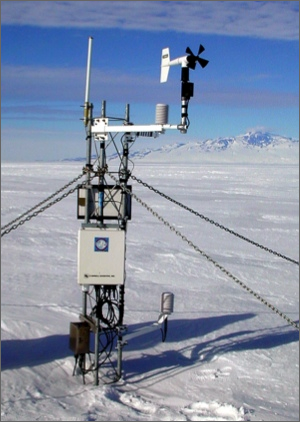
- environmental monitoring
- control applications
- turtle graphics
- control of lights, buzzers and motors
- automatic washing machines
- automatic cookers
- central heating controllers
- burglar alarms
- video recorders / players
- microwave ovens
- computer controlled greenhouse
- modelling applications
- 3D modelling
- simulation (e.g. flight or driving)
- spreadsheets for personal finance
- spreadhseets for tuck shop finances
Notes covering this section:
source : http://www.igcseict.info/theory/7_1/
ICT
has become an integral and accepted part of everyday life for many
people. ICT is increasing in importance in people’s lives and it is
expected that this trend will continue, to the extent that ICT literacy
will become a functional requirement for people’s work, social, and
personal lives.
ICT includes the range of hardware and software devices and programmes such as personal computers, assistive technology, scanners, digital cameras, multimedia programmes, image editing software, database and spreadsheet programmes. It also includes the communications equipment through which people seek and access information including the Internet, email and video conferencing.
The use of ICT in appropriate contexts in education can add value in teaching and learning, by enhancing the effectiveness of learning, or by adding a dimension to learning that was not previously available. ICT may also be a significant motivational factor in students’ learning, and can support students’ engagement with collaborative learning.
ICT: the 'invisible' plan; Article from info@ncca (January 2008)
- See more at: http://www.ncca.ie/en/Curriculum_and_Assessment/ICT/#sthash.ZHzMQxUd.dpuf
ICT includes the range of hardware and software devices and programmes such as personal computers, assistive technology, scanners, digital cameras, multimedia programmes, image editing software, database and spreadsheet programmes. It also includes the communications equipment through which people seek and access information including the Internet, email and video conferencing.
The use of ICT in appropriate contexts in education can add value in teaching and learning, by enhancing the effectiveness of learning, or by adding a dimension to learning that was not previously available. ICT may also be a significant motivational factor in students’ learning, and can support students’ engagement with collaborative learning.
ICT: the 'invisible' plan; Article from info@ncca (January 2008)
- See more at: http://www.ncca.ie/en/Curriculum_and_Assessment/ICT/#sthash.ZHzMQxUd.dpuf
ICT
has become an integral and accepted part of everyday life for many
people. ICT is increasing in importance in people’s lives and it is
expected that this trend will continue, to the extent that ICT literacy
will become a functional requirement for people’s work, social, and
personal lives.
ICT includes the range of hardware and software devices and programmes such as personal computers, assistive technology, scanners, digital cameras, multimedia programmes, image editing software, database and spreadsheet programmes. It also includes the communications equipment through which people seek and access information including the Internet, email and video conferencing.
The use of ICT in appropriate contexts in education can add value in teaching and learning, by enhancing the effectiveness of learning, or by adding a dimension to learning that was not previously available. ICT may also be a significant motivational factor in students’ learning, and can support students’ engagement with collaborative learning.
ICT: the 'invisible' plan; Article from info@ncca (January 2008)
- See more at: http://www.ncca.ie/en/Curriculum_and_Assessment/ICT/#sthash.ZHzMQxUd.dpuf
ICT includes the range of hardware and software devices and programmes such as personal computers, assistive technology, scanners, digital cameras, multimedia programmes, image editing software, database and spreadsheet programmes. It also includes the communications equipment through which people seek and access information including the Internet, email and video conferencing.
The use of ICT in appropriate contexts in education can add value in teaching and learning, by enhancing the effectiveness of learning, or by adding a dimension to learning that was not previously available. ICT may also be a significant motivational factor in students’ learning, and can support students’ engagement with collaborative learning.
ICT: the 'invisible' plan; Article from info@ncca (January 2008)
- See more at: http://www.ncca.ie/en/Curriculum_and_Assessment/ICT/#sthash.ZHzMQxUd.dpuf
ICT
has become an integral and accepted part of everyday life for many
people. ICT is increasing in importance in people’s lives and it is
expected that this trend will continue, to the extent that ICT literacy
will become a functional requirement for people’s work, social, and
personal lives.
ICT includes the range of hardware and software devices and programmes such as personal computers, assistive technology, scanners, digital cameras, multimedia programmes, image editing software, database and spreadsheet programmes. It also includes the communications equipment through which people seek and access information including the Internet, email and video conferencing.
The use of ICT in appropriate contexts in education can add value in teaching and learning, by enhancing the effectiveness of learning, or by adding a dimension to learning that was not previously available. ICT may also be a significant motivational factor in students’ learning, and can support students’ engagement with collaborative learning.
ICT: the 'invisible' plan; Article from info@ncca (January 2008)
- See more at: http://www.ncca.ie/en/Curriculum_and_Assessment/ICT/#sthash.ZHzMQxUd.dpuf
ICT includes the range of hardware and software devices and programmes such as personal computers, assistive technology, scanners, digital cameras, multimedia programmes, image editing software, database and spreadsheet programmes. It also includes the communications equipment through which people seek and access information including the Internet, email and video conferencing.
The use of ICT in appropriate contexts in education can add value in teaching and learning, by enhancing the effectiveness of learning, or by adding a dimension to learning that was not previously available. ICT may also be a significant motivational factor in students’ learning, and can support students’ engagement with collaborative learning.
ICT: the 'invisible' plan; Article from info@ncca (January 2008)
- See more at: http://www.ncca.ie/en/Curriculum_and_Assessment/ICT/#sthash.ZHzMQxUd.dpuf
ICT
has become an integral and accepted part of everyday life for many
people. ICT is increasing in importance in people’s lives and it is
expected that this trend will continue, to the extent that ICT literacy
will become a functional requirement for people’s work, social, and
personal lives.
ICT includes the range of hardware and software devices and programmes such as personal computers, assistive technology, scanners, digital cameras, multimedia programmes, image editing software, database and spreadsheet programmes. It also includes the communications equipment through which people seek and access information including the Internet, email and video conferencing.
The use of ICT in appropriate contexts in education can add value in teaching and learning, by enhancing the effectiveness of learning, or by adding a dimension to learning that was not previously available. ICT may also be a significant motivational factor in students’ learning, and can support students’ engagement with collaborative learning.
ICT: the 'invisible' plan; Article from info@ncca (January 2008)
- See more at: http://www.ncca.ie/en/Curriculum_and_Assessment/ICT/#sthash.ZHzMQxUd.dpuf
ICT includes the range of hardware and software devices and programmes such as personal computers, assistive technology, scanners, digital cameras, multimedia programmes, image editing software, database and spreadsheet programmes. It also includes the communications equipment through which people seek and access information including the Internet, email and video conferencing.
The use of ICT in appropriate contexts in education can add value in teaching and learning, by enhancing the effectiveness of learning, or by adding a dimension to learning that was not previously available. ICT may also be a significant motivational factor in students’ learning, and can support students’ engagement with collaborative learning.
ICT: the 'invisible' plan; Article from info@ncca (January 2008)
- See more at: http://www.ncca.ie/en/Curriculum_and_Assessment/ICT/#sthash.ZHzMQxUd.dpuf
ICT
has become an integral and accepted part of everyday life for many
people. ICT is increasing in importance in people’s lives and it is
expected that this trend will continue, to the extent that ICT literacy
will become a functional requirement for people’s work, social, and
personal lives.
ICT includes the range of hardware and software devices and programmes such as personal computers, assistive technology, scanners, digital cameras, multimedia programmes, image editing software, database and spreadsheet programmes. It also includes the communications equipment through which people seek and access information including the Internet, email and video conferencing.
The use of ICT in appropriate contexts in education can add value in teaching and learning, by enhancing the effectiveness of learning, or by adding a dimension to learning that was not previously available. ICT may also be a significant motivational factor in students’ learning, and can support students’ engagement with collaborative learning.
ICT: the 'invisible' plan; Article from info@ncca (January 2008)
- See more at: http://www.ncca.ie/en/Curriculum_and_Assessment/ICT/#sthash.ZHzMQxUd.dpuf
ICT includes the range of hardware and software devices and programmes such as personal computers, assistive technology, scanners, digital cameras, multimedia programmes, image editing software, database and spreadsheet programmes. It also includes the communications equipment through which people seek and access information including the Internet, email and video conferencing.
The use of ICT in appropriate contexts in education can add value in teaching and learning, by enhancing the effectiveness of learning, or by adding a dimension to learning that was not previously available. ICT may also be a significant motivational factor in students’ learning, and can support students’ engagement with collaborative learning.
ICT: the 'invisible' plan; Article from info@ncca (January 2008)
- See more at: http://www.ncca.ie/en/Curriculum_and_Assessment/ICT/#sthash.ZHzMQxUd.dpuf
ICT
has become an integral and accepted part of everyday life for many
people. ICT is increasing in importance in people’s lives and it is
expected that this trend will continue, to the extent that ICT literacy
will become a functional requirement for people’s work, social, and
personal lives.
ICT includes the range of hardware and software devices and programmes such as personal computers, assistive technology, scanners, digital cameras, multimedia programmes, image editing software, database and spreadsheet programmes. It also includes the communications equipment through which people seek and access information including the Internet, email and video conferencing.
The use of ICT in appropriate contexts in education can add value in teaching and learning, by enhancing the effectiveness of learning, or by adding a dimension to learning that was not previously available. ICT may also be a significant motivational factor in students’ learning, and can support students’ engagement with collaborative learning.
ICT: the 'invisible' plan; Article from info@ncca (January 2008)
- See more at: http://www.ncca.ie/en/Curriculum_and_Assessment/ICT/#sthash.ZHzMQxUd.dpuf
ICT includes the range of hardware and software devices and programmes such as personal computers, assistive technology, scanners, digital cameras, multimedia programmes, image editing software, database and spreadsheet programmes. It also includes the communications equipment through which people seek and access information including the Internet, email and video conferencing.
The use of ICT in appropriate contexts in education can add value in teaching and learning, by enhancing the effectiveness of learning, or by adding a dimension to learning that was not previously available. ICT may also be a significant motivational factor in students’ learning, and can support students’ engagement with collaborative learning.
ICT: the 'invisible' plan; Article from info@ncca (January 2008)
- See more at: http://www.ncca.ie/en/Curriculum_and_Assessment/ICT/#sthash.ZHzMQxUd.dpuf
ICT
has become an integral and accepted part of everyday life for many
people. ICT is increasing in importance in people’s lives and it is
expected that this trend will continue, to the extent that ICT literacy
will become a functional requirement for people’s work, social, and
personal lives.
ICT includes the range of hardware and software devices and programmes such as personal computers, assistive technology, scanners, digital cameras, multimedia programmes, image editing software, database and spreadsheet programmes. It also includes the communications equipment through which people seek and access information including the Internet, email and video conferencing.
The use of ICT in appropriate contexts in education can add value in teaching and learning, by enhancing the effectiveness of learning, or by adding a dimension to learning that was not previously available. ICT may also be a significant motivational factor in students’ learning, and can support students’ engagement with collaborative learning.
ICT: the 'invisible' plan; Article from info@ncca (January 2008)
- See more at: http://www.ncca.ie/en/Curriculum_and_Assessment/ICT/#sthash.ZHzMQxUd.dpuf
ICT includes the range of hardware and software devices and programmes such as personal computers, assistive technology, scanners, digital cameras, multimedia programmes, image editing software, database and spreadsheet programmes. It also includes the communications equipment through which people seek and access information including the Internet, email and video conferencing.
The use of ICT in appropriate contexts in education can add value in teaching and learning, by enhancing the effectiveness of learning, or by adding a dimension to learning that was not previously available. ICT may also be a significant motivational factor in students’ learning, and can support students’ engagement with collaborative learning.
ICT: the 'invisible' plan; Article from info@ncca (January 2008)
- See more at: http://www.ncca.ie/en/Curriculum_and_Assessment/ICT/#sthash.ZHzMQxUd.dpuf
ICT
has become an integral and accepted part of everyday life for many
people. ICT is increasing in importance in people’s lives and it is
expected that this trend will continue, to the extent that ICT literacy
will become a functional requirement for people’s work, social, and
personal lives.
ICT includes the range of hardware and software devices and programmes such as personal computers, assistive technology, scanners, digital cameras, multimedia programmes, image editing software, database and spreadsheet programmes. It also includes the communications equipment through which people seek and access information including the Internet, email and video conferencing.
The use of ICT in appropriate contexts in education can add value in teaching and learning, by enhancing the effectiveness of learning, or by adding a dimension to learning that was not previously available. ICT may also be a significant motivational factor in students’ learning, and can support students’ engagement with collaborative learning.
ICT: the 'invisible' plan; Article from info@ncca (January 2008)
- See more at: http://www.ncca.ie/en/Curriculum_and_Assessment/ICT/#sthash.ZHzMQxUd.dpuf
ICT includes the range of hardware and software devices and programmes such as personal computers, assistive technology, scanners, digital cameras, multimedia programmes, image editing software, database and spreadsheet programmes. It also includes the communications equipment through which people seek and access information including the Internet, email and video conferencing.
The use of ICT in appropriate contexts in education can add value in teaching and learning, by enhancing the effectiveness of learning, or by adding a dimension to learning that was not previously available. ICT may also be a significant motivational factor in students’ learning, and can support students’ engagement with collaborative learning.
ICT: the 'invisible' plan; Article from info@ncca (January 2008)
- See more at: http://www.ncca.ie/en/Curriculum_and_Assessment/ICT/#sthash.ZHzMQxUd.dpuf
ICT
has become an integral and accepted part of everyday life for many
people. ICT is increasing in importance in people’s lives and it is
expected that this trend will continue, to the extent that ICT literacy
will become a functional requirement for people’s work, social, and
personal lives.
ICT includes the range of hardware and software devices and programmes such as personal computers, assistive technology, scanners, digital cameras, multimedia programmes, image editing software, database and spreadsheet programmes. It also includes the communications equipment through which people seek and access information including the Internet, email and video conferencing.
The use of ICT in appropriate contexts in education can add value in teaching and learning, by enhancing the effectiveness of learning, or by adding a dimension to learning that was not previously available. ICT may also be a significant motivational factor in students’ learning, and can support students’ engagement with collaborative learning.
ICT: the 'invisible' plan; Article from info@ncca (January 2008)
- See more at: http://www.ncca.ie/en/Curriculum_and_Assessment/ICT/#sthash.ZHzMQxUd.dpuf
ICT includes the range of hardware and software devices and programmes such as personal computers, assistive technology, scanners, digital cameras, multimedia programmes, image editing software, database and spreadsheet programmes. It also includes the communications equipment through which people seek and access information including the Internet, email and video conferencing.
The use of ICT in appropriate contexts in education can add value in teaching and learning, by enhancing the effectiveness of learning, or by adding a dimension to learning that was not previously available. ICT may also be a significant motivational factor in students’ learning, and can support students’ engagement with collaborative learning.
ICT: the 'invisible' plan; Article from info@ncca (January 2008)
- See more at: http://www.ncca.ie/en/Curriculum_and_Assessment/ICT/#sthash.ZHzMQxUd.dpuf
ICT
has become an integral and accepted part of everyday life for many
people. ICT is increasing in importance in people’s lives and it is
expected that this trend will continue, to the extent that ICT literacy
will become a functional requirement for people’s work, social, and
personal lives.
ICT includes the range of hardware and software devices and programmes such as personal computers, assistive technology, scanners, digital cameras, multimedia programmes, image editing software, database and spreadsheet programmes. It also includes the communications equipment through which people seek and access information including the Internet, email and video conferencing.
The use of ICT in appropriate contexts in education can add value in teaching and learning, by enhancing the effectiveness of learning, or by adding a dimension to learning that was not previously available. ICT may also be a significant motivational factor in students’ learning, and can support students’ engagement with collaborative learning.
ICT: the 'invisible' plan; Article from info@ncca (January 2008)
- See more at: http://www.ncca.ie/en/Curriculum_and_Assessment/ICT/#sthash.ZHzMQxUd.dpuf
ICT includes the range of hardware and software devices and programmes such as personal computers, assistive technology, scanners, digital cameras, multimedia programmes, image editing software, database and spreadsheet programmes. It also includes the communications equipment through which people seek and access information including the Internet, email and video conferencing.
The use of ICT in appropriate contexts in education can add value in teaching and learning, by enhancing the effectiveness of learning, or by adding a dimension to learning that was not previously available. ICT may also be a significant motivational factor in students’ learning, and can support students’ engagement with collaborative learning.
ICT: the 'invisible' plan; Article from info@ncca (January 2008)
- See more at: http://www.ncca.ie/en/Curriculum_and_Assessment/ICT/#sthash.ZHzMQxUd.dpuf
ICT
has become an integral and accepted part of everyday life for many
people. ICT is increasing in importance in people’s lives and it is
expected that this trend will continue, to the extent that ICT literacy
will become a functional requirement for people’s work, social, and
personal lives.
ICT includes the range of hardware and software devices and programmes such as personal computers, assistive technology, scanners, digital cameras, multimedia programmes, image editing software, database and spreadsheet programmes. It also includes the communications equipment through which people seek and access information including the Internet, email and video conferencing.
The use of ICT in appropriate contexts in education can add value in teaching and learning, by enhancing the effectiveness of learning, or by adding a dimension to learning that was not previously available. ICT may also be a significant motivational factor in students’ learning, and can support students’ engagement with collaborative learning.
ICT: the 'invisible' plan; Article from info@ncca (January 2008)
- See more at: http://www.ncca.ie/en/Curriculum_and_Assessment/ICT/#sthash.ZHzMQxUd.dpuf
ICT includes the range of hardware and software devices and programmes such as personal computers, assistive technology, scanners, digital cameras, multimedia programmes, image editing software, database and spreadsheet programmes. It also includes the communications equipment through which people seek and access information including the Internet, email and video conferencing.
The use of ICT in appropriate contexts in education can add value in teaching and learning, by enhancing the effectiveness of learning, or by adding a dimension to learning that was not previously available. ICT may also be a significant motivational factor in students’ learning, and can support students’ engagement with collaborative learning.
ICT: the 'invisible' plan; Article from info@ncca (January 2008)
- See more at: http://www.ncca.ie/en/Curriculum_and_Assessment/ICT/#sthash.ZHzMQxUd.dpuf
ICT
has become an integral and accepted part of everyday life for many
people. ICT is increasing in importance in people’s lives and it is
expected that this trend will continue, to the extent that ICT literacy
will become a functional requirement for people’s work, social, and
personal lives.
ICT includes the range of hardware and software devices and programmes such as personal computers, assistive technology, scanners, digital cameras, multimedia programmes, image editing software, database and spreadsheet programmes. It also includes the communications equipment through which people seek and access information including the Internet, email and video conferencing.
The use of ICT in appropriate contexts in education can add value in teaching and learning, by enhancing the effectiveness of learning, or by adding a dimension to learning that was not previously available. ICT may also be a significant motivational factor in students’ learning, and can support students’ engagement with collaborative learning.
ICT: the 'invisible' plan; Article from info@ncca (January 2008)
- See more at: http://www.ncca.ie/en/Curriculum_and_Assessment/ICT/#sthash.ZHzMQxUd.dpuf
ICT includes the range of hardware and software devices and programmes such as personal computers, assistive technology, scanners, digital cameras, multimedia programmes, image editing software, database and spreadsheet programmes. It also includes the communications equipment through which people seek and access information including the Internet, email and video conferencing.
The use of ICT in appropriate contexts in education can add value in teaching and learning, by enhancing the effectiveness of learning, or by adding a dimension to learning that was not previously available. ICT may also be a significant motivational factor in students’ learning, and can support students’ engagement with collaborative learning.
ICT: the 'invisible' plan; Article from info@ncca (January 2008)
- See more at: http://www.ncca.ie/en/Curriculum_and_Assessment/ICT/#sthash.ZHzMQxUd.dpuf
ICT
has become an integral and accepted part of everyday life for many
people. ICT is increasing in importance in people’s lives and it is
expected that this trend will continue, to the extent that ICT literacy
will become a functional requirement for people’s work, social, and
personal lives.
ICT includes the range of hardware and software devices and programmes such as personal computers, assistive technology, scanners, digital cameras, multimedia programmes, image editing software, database and spreadsheet programmes. It also includes the communications equipment through which people seek and access information including the Internet, email and video conferencing.
The use of ICT in appropriate contexts in education can add value in teaching and learning, by enhancing the effectiveness of learning, or by adding a dimension to learning that was not previously available. ICT may also be a significant motivational factor in students’ learning, and can support students’ engagement with collaborative learning.
ICT: the 'invisible' plan; Article from info@ncca (January 2008)
- See more at: http://www.ncca.ie/en/Curriculum_and_Assessment/ICT/#sthash.ZHzMQxUd.dpuf
ICT includes the range of hardware and software devices and programmes such as personal computers, assistive technology, scanners, digital cameras, multimedia programmes, image editing software, database and spreadsheet programmes. It also includes the communications equipment through which people seek and access information including the Internet, email and video conferencing.
The use of ICT in appropriate contexts in education can add value in teaching and learning, by enhancing the effectiveness of learning, or by adding a dimension to learning that was not previously available. ICT may also be a significant motivational factor in students’ learning, and can support students’ engagement with collaborative learning.
ICT: the 'invisible' plan; Article from info@ncca (January 2008)
- See more at: http://www.ncca.ie/en/Curriculum_and_Assessment/ICT/#sthash.ZHzMQxUd.dpuf
ICT
has become an integral and accepted part of everyday life for many
people. ICT is increasing in importance in people’s lives and it is
expected that this trend will continue, to the extent that ICT literacy
will become a functional requirement for people’s work, social, and
personal lives.
ICT includes the range of hardware and software devices and programmes such as personal computers, assistive technology, scanners, digital cameras, multimedia programmes, image editing software, database and spreadsheet programmes. It also includes the communications equipment through which people seek and access information including the Internet, email and video conferencing.
The use of ICT in appropriate contexts in education can add value in teaching and learning, by enhancing the effectiveness of learning, or by adding a dimension to learning that was not previously available. ICT may also be a significant motivational factor in students’ learning, and can support students’ engagement with collaborative learning.
ICT: the 'invisible' plan; Article from info@ncca (January 2008)
- See more at: http://www.ncca.ie/en/Curriculum_and_Assessment/ICT/#sthash.ZHzMQxUd.dpuf
ICT includes the range of hardware and software devices and programmes such as personal computers, assistive technology, scanners, digital cameras, multimedia programmes, image editing software, database and spreadsheet programmes. It also includes the communications equipment through which people seek and access information including the Internet, email and video conferencing.
The use of ICT in appropriate contexts in education can add value in teaching and learning, by enhancing the effectiveness of learning, or by adding a dimension to learning that was not previously available. ICT may also be a significant motivational factor in students’ learning, and can support students’ engagement with collaborative learning.
ICT: the 'invisible' plan; Article from info@ncca (January 2008)
- See more at: http://www.ncca.ie/en/Curriculum_and_Assessment/ICT/#sthash.ZHzMQxUd.dpuf
ICT
has become an integral and accepted part of everyday life for many
people. ICT is increasing in importance in people’s lives and it is
expected that this trend will continue, to the extent that ICT literacy
will become a functional requirement for people’s work, social, and
personal lives.
ICT includes the range of hardware and software devices and programmes such as personal computers, assistive technology, scanners, digital cameras, multimedia programmes, image editing software, database and spreadsheet programmes. It also includes the communications equipment through which people seek and access information including the Internet, email and video conferencing.
The use of ICT in appropriate contexts in education can add value in teaching and learning, by enhancing the effectiveness of learning, or by adding a dimension to learning that was not previously available. ICT may also be a significant motivational factor in students’ learning, and can support students’ engagement with collaborative learning.
ICT: the 'invisible' plan; Article from info@ncca (January 2008)
- See more at: http://www.ncca.ie/en/Curriculum_and_Assessment/ICT/#sthash.ZHzMQxUd.dpuf
ICT includes the range of hardware and software devices and programmes such as personal computers, assistive technology, scanners, digital cameras, multimedia programmes, image editing software, database and spreadsheet programmes. It also includes the communications equipment through which people seek and access information including the Internet, email and video conferencing.
The use of ICT in appropriate contexts in education can add value in teaching and learning, by enhancing the effectiveness of learning, or by adding a dimension to learning that was not previously available. ICT may also be a significant motivational factor in students’ learning, and can support students’ engagement with collaborative learning.
ICT: the 'invisible' plan; Article from info@ncca (January 2008)
- See more at: http://www.ncca.ie/en/Curriculum_and_Assessment/ICT/#sthash.ZHzMQxUd.dpuf
ICT
has become an integral and accepted part of everyday life for many
people. ICT is increasing in importance in people’s lives and it is
expected that this trend will continue, to the extent that ICT literacy
will become a functional requirement for people’s work, social, and
personal lives.
ICT includes the range of hardware and software devices and programmes such as personal computers, assistive technology, scanners, digital cameras, multimedia programmes, image editing software, database and spreadsheet programmes. It also includes the communications equipment through which people seek and access information including the Internet, email and video conferencing.
The use of ICT in appropriate contexts in education can add value in teaching and learning, by enhancing the effectiveness of learning, or by adding a dimension to learning that was not previously available. ICT may also be a significant motivational factor in students’ learning, and can support students’ engagement with collaborative learning.
ICT: the 'invisible' plan; Article from info@ncca (January 2008)
- See more at: http://www.ncca.ie/en/Curriculum_and_Assessment/ICT/#sthash.ZHzMQxUd.dpuf
ICT includes the range of hardware and software devices and programmes such as personal computers, assistive technology, scanners, digital cameras, multimedia programmes, image editing software, database and spreadsheet programmes. It also includes the communications equipment through which people seek and access information including the Internet, email and video conferencing.
The use of ICT in appropriate contexts in education can add value in teaching and learning, by enhancing the effectiveness of learning, or by adding a dimension to learning that was not previously available. ICT may also be a significant motivational factor in students’ learning, and can support students’ engagement with collaborative learning.
ICT: the 'invisible' plan; Article from info@ncca (January 2008)
- See more at: http://www.ncca.ie/en/Curriculum_and_Assessment/ICT/#sthash.ZHzMQxUd.dpuf
ICT
has become an integral and accepted part of everyday life for many
people. ICT is increasing in importance in people’s lives and it is
expected that this trend will continue, to the extent that ICT literacy
will become a functional requirement for people’s work, social, and
personal lives.
ICT includes the range of hardware and software devices and programmes such as personal computers, assistive technology, scanners, digital cameras, multimedia programmes, image editing software, database and spreadsheet programmes. It also includes the communications equipment through which people seek and access information including the Internet, email and video conferencing.
The use of ICT in appropriate contexts in education can add value in teaching and learning, by enhancing the effectiveness of learning, or by adding a dimension to learning that was not previously available. ICT may also be a significant motivational factor in students’ learning, and can support students’ engagement with collaborative learning.
ICT: the 'invisible' plan; Article from info@ncca (January 2008)
- See more at: http://www.ncca.ie/en/Curriculum_and_Assessment/ICT/#sthash.ZHzMQxUd.dpuf
ICT includes the range of hardware and software devices and programmes such as personal computers, assistive technology, scanners, digital cameras, multimedia programmes, image editing software, database and spreadsheet programmes. It also includes the communications equipment through which people seek and access information including the Internet, email and video conferencing.
The use of ICT in appropriate contexts in education can add value in teaching and learning, by enhancing the effectiveness of learning, or by adding a dimension to learning that was not previously available. ICT may also be a significant motivational factor in students’ learning, and can support students’ engagement with collaborative learning.
ICT: the 'invisible' plan; Article from info@ncca (January 2008)
- See more at: http://www.ncca.ie/en/Curriculum_and_Assessment/ICT/#sthash.ZHzMQxUd.dpuf
ICT
has become an integral and accepted part of everyday life for many
people. ICT is increasing in importance in people’s lives and it is
expected that this trend will continue, to the extent that ICT literacy
will become a functional requirement for people’s work, social, and
personal lives.
ICT includes the range of hardware and software devices and programmes such as personal computers, assistive technology, scanners, digital cameras, multimedia programmes, image editing software, database and spreadsheet programmes. It also includes the communications equipment through which people seek and access information including the Internet, email and video conferencing.
The use of ICT in appropriate contexts in education can add value in teaching and learning, by enhancing the effectiveness of learning, or by adding a dimension to learning that was not previously available. ICT may also be a significant motivational factor in students’ learning, and can support students’ engagement with collaborative learning.
ICT: the 'invisible' plan; Article from info@ncca (January 2008)
- See more at: http://www.ncca.ie/en/Curriculum_and_Assessment/ICT/#sthash.ZHzMQxUd.dpuf
ICT includes the range of hardware and software devices and programmes such as personal computers, assistive technology, scanners, digital cameras, multimedia programmes, image editing software, database and spreadsheet programmes. It also includes the communications equipment through which people seek and access information including the Internet, email and video conferencing.
The use of ICT in appropriate contexts in education can add value in teaching and learning, by enhancing the effectiveness of learning, or by adding a dimension to learning that was not previously available. ICT may also be a significant motivational factor in students’ learning, and can support students’ engagement with collaborative learning.
ICT: the 'invisible' plan; Article from info@ncca (January 2008)
- See more at: http://www.ncca.ie/en/Curriculum_and_Assessment/ICT/#sthash.ZHzMQxUd.dpuf
ICT
has become an integral and accepted part of everyday life for many
people. ICT is increasing in importance in people’s lives and it is
expected that this trend will continue, to the extent that ICT literacy
will become a functional requirement for people’s work, social, and
personal lives.
ICT includes the range of hardware and software devices and programmes such as personal computers, assistive technology, scanners, digital cameras, multimedia programmes, image editing software, database and spreadsheet programmes. It also includes the communications equipment through which people seek and access information including the Internet, email and video conferencing.
The use of ICT in appropriate contexts in education can add value in teaching and learning, by enhancing the effectiveness of learning, or by adding a dimension to learning that was not previously available. ICT may also be a significant motivational factor in students’ learning, and can support students’ engagement with collaborative learning.
ICT: the 'invisible' plan; Article from info@ncca (January 2008)
- See more at: http://www.ncca.ie/en/Curriculum_and_Assessment/ICT/#sthash.ZHzMQxUd.dpuf
ICT includes the range of hardware and software devices and programmes such as personal computers, assistive technology, scanners, digital cameras, multimedia programmes, image editing software, database and spreadsheet programmes. It also includes the communications equipment through which people seek and access information including the Internet, email and video conferencing.
The use of ICT in appropriate contexts in education can add value in teaching and learning, by enhancing the effectiveness of learning, or by adding a dimension to learning that was not previously available. ICT may also be a significant motivational factor in students’ learning, and can support students’ engagement with collaborative learning.
ICT: the 'invisible' plan; Article from info@ncca (January 2008)
- See more at: http://www.ncca.ie/en/Curriculum_and_Assessment/ICT/#sthash.ZHzMQxUd.dpuf
ICT
has become an integral and accepted part of everyday life for many
people. ICT is increasing in importance in people’s lives and it is
expected that this trend will continue, to the extent that ICT literacy
will become a functional requirement for people’s work, social, and
personal lives.
ICT includes the range of hardware and software devices and programmes such as personal computers, assistive technology, scanners, digital cameras, multimedia programmes, image editing software, database and spreadsheet programmes. It also includes the communications equipment through which people seek and access information including the Internet, email and video conferencing.
The use of ICT in appropriate contexts in education can add value in teaching and learning, by enhancing the effectiveness of learning, or by adding a dimension to learning that was not previously available. ICT may also be a significant motivational factor in students’ learning, and can support students’ engagement with collaborative learning.
ICT: the 'invisible' plan; Article from info@ncca (January 2008)
- See more at: http://www.ncca.ie/en/Curriculum_and_Assessment/ICT/#sthash.ZHzMQxUd.dpuf
ICT includes the range of hardware and software devices and programmes such as personal computers, assistive technology, scanners, digital cameras, multimedia programmes, image editing software, database and spreadsheet programmes. It also includes the communications equipment through which people seek and access information including the Internet, email and video conferencing.
The use of ICT in appropriate contexts in education can add value in teaching and learning, by enhancing the effectiveness of learning, or by adding a dimension to learning that was not previously available. ICT may also be a significant motivational factor in students’ learning, and can support students’ engagement with collaborative learning.
ICT: the 'invisible' plan; Article from info@ncca (January 2008)
- See more at: http://www.ncca.ie/en/Curriculum_and_Assessment/ICT/#sthash.ZHzMQxUd.dpuf
ICT
has become an integral and accepted part of everyday life for many
people. ICT is increasing in importance in people’s lives and it is
expected that this trend will continue, to the extent that ICT literacy
will become a functional requirement for people’s work, social, and
personal lives.
ICT includes the range of hardware and software devices and programmes such as personal computers, assistive technology, scanners, digital cameras, multimedia programmes, image editing software, database and spreadsheet programmes. It also includes the communications equipment through which people seek and access information including the Internet, email and video conferencing.
The use of ICT in appropriate contexts in education can add value in teaching and learning, by enhancing the effectiveness of learning, or by adding a dimension to learning that was not previously available. ICT may also be a significant motivational factor in students’ learning, and can support students’ engagement with collaborative learning.
ICT: the 'invisible' plan; Article from info@ncca (January 2008)
- See more at: http://www.ncca.ie/en/Curriculum_and_Assessment/ICT/#sthash.ZHzMQxUd.dpuf
ICT includes the range of hardware and software devices and programmes such as personal computers, assistive technology, scanners, digital cameras, multimedia programmes, image editing software, database and spreadsheet programmes. It also includes the communications equipment through which people seek and access information including the Internet, email and video conferencing.
The use of ICT in appropriate contexts in education can add value in teaching and learning, by enhancing the effectiveness of learning, or by adding a dimension to learning that was not previously available. ICT may also be a significant motivational factor in students’ learning, and can support students’ engagement with collaborative learning.
ICT: the 'invisible' plan; Article from info@ncca (January 2008)
- See more at: http://www.ncca.ie/en/Curriculum_and_Assessment/ICT/#sthash.ZHzMQxUd.dpuf
ICT
has become an integral and accepted part of everyday life for many
people. ICT is increasing in importance in people’s lives and it is
expected that this trend will continue, to the extent that ICT literacy
will become a functional requirement for people’s work, social, and
personal lives.
ICT includes the range of hardware and software devices and programmes such as personal computers, assistive technology, scanners, digital cameras, multimedia programmes, image editing software, database and spreadsheet programmes. It also includes the communications equipment through which people seek and access information including the Internet, email and video conferencing.
The use of ICT in appropriate contexts in education can add value in teaching and learning, by enhancing the effectiveness of learning, or by adding a dimension to learning that was not previously available. ICT may also be a significant motivational factor in students’ learning, and can support students’ engagement with collaborative learning.
ICT: the 'invisible' plan; Article from info@ncca (January 2008)
- See more at: http://www.ncca.ie/en/Curriculum_and_Assessment/ICT/#sthash.ZHzMQxUd.dpuf
ICT includes the range of hardware and software devices and programmes such as personal computers, assistive technology, scanners, digital cameras, multimedia programmes, image editing software, database and spreadsheet programmes. It also includes the communications equipment through which people seek and access information including the Internet, email and video conferencing.
The use of ICT in appropriate contexts in education can add value in teaching and learning, by enhancing the effectiveness of learning, or by adding a dimension to learning that was not previously available. ICT may also be a significant motivational factor in students’ learning, and can support students’ engagement with collaborative learning.
ICT: the 'invisible' plan; Article from info@ncca (January 2008)
- See more at: http://www.ncca.ie/en/Curriculum_and_Assessment/ICT/#sthash.ZHzMQxUd.dpuf
ICT
has become an integral and accepted part of everyday life for many
people. ICT is increasing in importance in people’s lives and it is
expected that this trend will continue, to the extent that ICT literacy
will become a functional requirement for people’s work, social, and
personal lives.
ICT includes the range of hardware and software devices and programmes such as personal computers, assistive technology, scanners, digital cameras, multimedia programmes, image editing software, database and spreadsheet programmes. It also includes the communications equipment through which people seek and access information including the Internet, email and video conferencing.
The use of ICT in appropriate contexts in education can add value in teaching and learning, by enhancing the effectiveness of learning, or by adding a dimension to learning that was not previously available. ICT may also be a significant motivational factor in students’ learning, and can support students’ engagement with collaborative learning.
ICT: the 'invisible' plan; Article from info@ncca (January 2008)
- See more at: http://www.ncca.ie/en/Curriculum_and_Assessment/ICT/#sthash.ZHzMQxUd.dpuf
ICT includes the range of hardware and software devices and programmes such as personal computers, assistive technology, scanners, digital cameras, multimedia programmes, image editing software, database and spreadsheet programmes. It also includes the communications equipment through which people seek and access information including the Internet, email and video conferencing.
The use of ICT in appropriate contexts in education can add value in teaching and learning, by enhancing the effectiveness of learning, or by adding a dimension to learning that was not previously available. ICT may also be a significant motivational factor in students’ learning, and can support students’ engagement with collaborative learning.
ICT: the 'invisible' plan; Article from info@ncca (January 2008)
- See more at: http://www.ncca.ie/en/Curriculum_and_Assessment/ICT/#sthash.ZHzMQxUd.dpuf
ICT
has become an integral and accepted part of everyday life for many
people. ICT is increasing in importance in people’s lives and it is
expected that this trend will continue, to the extent that ICT literacy
will become a functional requirement for people’s work, social, and
personal lives.
ICT includes the range of hardware and software devices and programmes such as personal computers, assistive technology, scanners, digital cameras, multimedia programmes, image editing software, database and spreadsheet programmes. It also includes the communications equipment through which people seek and access information including the Internet, email and video conferencing.
The use of ICT in appropriate contexts in education can add value in teaching and learning, by enhancing the effectiveness of learning, or by adding a dimension to learning that was not previously available. ICT may also be a significant motivational factor in students’ learning, and can support students’ engagement with collaborative learning.
ICT: the 'invisible' plan; Article from info@ncca (January 2008)
- See more at: http://www.ncca.ie/en/Curriculum_and_Assessment/ICT/#sthash.ZHzMQxUd.dpuf
ICT includes the range of hardware and software devices and programmes such as personal computers, assistive technology, scanners, digital cameras, multimedia programmes, image editing software, database and spreadsheet programmes. It also includes the communications equipment through which people seek and access information including the Internet, email and video conferencing.
The use of ICT in appropriate contexts in education can add value in teaching and learning, by enhancing the effectiveness of learning, or by adding a dimension to learning that was not previously available. ICT may also be a significant motivational factor in students’ learning, and can support students’ engagement with collaborative learning.
ICT: the 'invisible' plan; Article from info@ncca (January 2008)
- See more at: http://www.ncca.ie/en/Curriculum_and_Assessment/ICT/#sthash.ZHzMQxUd.dpuf


0 comments:
Post a Comment