


Tuesday, 30 June 2015


Wednesday, 17 June 2015
The syllabus says that you should be able to:
have an understanding of a range of IT applications in their everyday life and be aware of the impact of IT in terms of:
- communicating applications
- newsletters
- websites
- multimedia presentations
- music scores
- cartoons
- flyers / posters
- interactive communication applications
- blogs
- wikis
- social networking websites
- data handling applications
- surveys
- address lists
- tuck shop records
- clubs and society records
- school reports
- school libraries
- measurement applications
- scientific experiments
- electronic timing
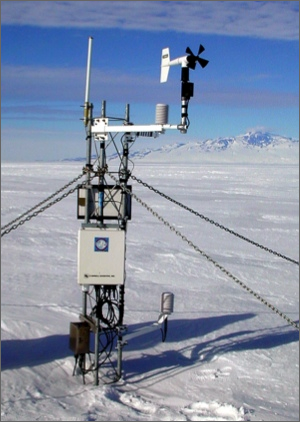
- environmental monitoring
- control applications
- turtle graphics
- control of lights, buzzers and motors
- automatic washing machines
- automatic cookers
- central heating controllers
- burglar alarms
- video recorders / players
- microwave ovens
- computer controlled greenhouse
- modelling applications
- 3D modelling
- simulation (e.g. flight or driving)
- spreadsheets for personal finance
- spreadhseets for tuck shop finances
Notes covering this section:
source : http://www.igcseict.info/theory/7_1/
ICT
has become an integral and accepted part of everyday life for many
people. ICT is increasing in importance in people’s lives and it is
expected that this trend will continue, to the extent that ICT literacy
will become a functional requirement for people’s work, social, and
personal lives.
ICT includes the range of hardware and software devices and programmes such as personal computers, assistive technology, scanners, digital cameras, multimedia programmes, image editing software, database and spreadsheet programmes. It also includes the communications equipment through which people seek and access information including the Internet, email and video conferencing.
The use of ICT in appropriate contexts in education can add value in teaching and learning, by enhancing the effectiveness of learning, or by adding a dimension to learning that was not previously available. ICT may also be a significant motivational factor in students’ learning, and can support students’ engagement with collaborative learning.
ICT: the 'invisible' plan; Article from info@ncca (January 2008)
- See more at: http://www.ncca.ie/en/Curriculum_and_Assessment/ICT/#sthash.ZHzMQxUd.dpuf
ICT includes the range of hardware and software devices and programmes such as personal computers, assistive technology, scanners, digital cameras, multimedia programmes, image editing software, database and spreadsheet programmes. It also includes the communications equipment through which people seek and access information including the Internet, email and video conferencing.
The use of ICT in appropriate contexts in education can add value in teaching and learning, by enhancing the effectiveness of learning, or by adding a dimension to learning that was not previously available. ICT may also be a significant motivational factor in students’ learning, and can support students’ engagement with collaborative learning.
ICT: the 'invisible' plan; Article from info@ncca (January 2008)
- See more at: http://www.ncca.ie/en/Curriculum_and_Assessment/ICT/#sthash.ZHzMQxUd.dpuf
ICT
has become an integral and accepted part of everyday life for many
people. ICT is increasing in importance in people’s lives and it is
expected that this trend will continue, to the extent that ICT literacy
will become a functional requirement for people’s work, social, and
personal lives.
ICT includes the range of hardware and software devices and programmes such as personal computers, assistive technology, scanners, digital cameras, multimedia programmes, image editing software, database and spreadsheet programmes. It also includes the communications equipment through which people seek and access information including the Internet, email and video conferencing.
The use of ICT in appropriate contexts in education can add value in teaching and learning, by enhancing the effectiveness of learning, or by adding a dimension to learning that was not previously available. ICT may also be a significant motivational factor in students’ learning, and can support students’ engagement with collaborative learning.
ICT: the 'invisible' plan; Article from info@ncca (January 2008)
- See more at: http://www.ncca.ie/en/Curriculum_and_Assessment/ICT/#sthash.ZHzMQxUd.dpuf
ICT includes the range of hardware and software devices and programmes such as personal computers, assistive technology, scanners, digital cameras, multimedia programmes, image editing software, database and spreadsheet programmes. It also includes the communications equipment through which people seek and access information including the Internet, email and video conferencing.
The use of ICT in appropriate contexts in education can add value in teaching and learning, by enhancing the effectiveness of learning, or by adding a dimension to learning that was not previously available. ICT may also be a significant motivational factor in students’ learning, and can support students’ engagement with collaborative learning.
ICT: the 'invisible' plan; Article from info@ncca (January 2008)
- See more at: http://www.ncca.ie/en/Curriculum_and_Assessment/ICT/#sthash.ZHzMQxUd.dpuf
ICT
has become an integral and accepted part of everyday life for many
people. ICT is increasing in importance in people’s lives and it is
expected that this trend will continue, to the extent that ICT literacy
will become a functional requirement for people’s work, social, and
personal lives.
ICT includes the range of hardware and software devices and programmes such as personal computers, assistive technology, scanners, digital cameras, multimedia programmes, image editing software, database and spreadsheet programmes. It also includes the communications equipment through which people seek and access information including the Internet, email and video conferencing.
The use of ICT in appropriate contexts in education can add value in teaching and learning, by enhancing the effectiveness of learning, or by adding a dimension to learning that was not previously available. ICT may also be a significant motivational factor in students’ learning, and can support students’ engagement with collaborative learning.
ICT: the 'invisible' plan; Article from info@ncca (January 2008)
- See more at: http://www.ncca.ie/en/Curriculum_and_Assessment/ICT/#sthash.ZHzMQxUd.dpuf
ICT includes the range of hardware and software devices and programmes such as personal computers, assistive technology, scanners, digital cameras, multimedia programmes, image editing software, database and spreadsheet programmes. It also includes the communications equipment through which people seek and access information including the Internet, email and video conferencing.
The use of ICT in appropriate contexts in education can add value in teaching and learning, by enhancing the effectiveness of learning, or by adding a dimension to learning that was not previously available. ICT may also be a significant motivational factor in students’ learning, and can support students’ engagement with collaborative learning.
ICT: the 'invisible' plan; Article from info@ncca (January 2008)
- See more at: http://www.ncca.ie/en/Curriculum_and_Assessment/ICT/#sthash.ZHzMQxUd.dpuf
ICT
has become an integral and accepted part of everyday life for many
people. ICT is increasing in importance in people’s lives and it is
expected that this trend will continue, to the extent that ICT literacy
will become a functional requirement for people’s work, social, and
personal lives.
ICT includes the range of hardware and software devices and programmes such as personal computers, assistive technology, scanners, digital cameras, multimedia programmes, image editing software, database and spreadsheet programmes. It also includes the communications equipment through which people seek and access information including the Internet, email and video conferencing.
The use of ICT in appropriate contexts in education can add value in teaching and learning, by enhancing the effectiveness of learning, or by adding a dimension to learning that was not previously available. ICT may also be a significant motivational factor in students’ learning, and can support students’ engagement with collaborative learning.
ICT: the 'invisible' plan; Article from info@ncca (January 2008)
- See more at: http://www.ncca.ie/en/Curriculum_and_Assessment/ICT/#sthash.ZHzMQxUd.dpuf
ICT includes the range of hardware and software devices and programmes such as personal computers, assistive technology, scanners, digital cameras, multimedia programmes, image editing software, database and spreadsheet programmes. It also includes the communications equipment through which people seek and access information including the Internet, email and video conferencing.
The use of ICT in appropriate contexts in education can add value in teaching and learning, by enhancing the effectiveness of learning, or by adding a dimension to learning that was not previously available. ICT may also be a significant motivational factor in students’ learning, and can support students’ engagement with collaborative learning.
ICT: the 'invisible' plan; Article from info@ncca (January 2008)
- See more at: http://www.ncca.ie/en/Curriculum_and_Assessment/ICT/#sthash.ZHzMQxUd.dpuf
ICT
has become an integral and accepted part of everyday life for many
people. ICT is increasing in importance in people’s lives and it is
expected that this trend will continue, to the extent that ICT literacy
will become a functional requirement for people’s work, social, and
personal lives.
ICT includes the range of hardware and software devices and programmes such as personal computers, assistive technology, scanners, digital cameras, multimedia programmes, image editing software, database and spreadsheet programmes. It also includes the communications equipment through which people seek and access information including the Internet, email and video conferencing.
The use of ICT in appropriate contexts in education can add value in teaching and learning, by enhancing the effectiveness of learning, or by adding a dimension to learning that was not previously available. ICT may also be a significant motivational factor in students’ learning, and can support students’ engagement with collaborative learning.
ICT: the 'invisible' plan; Article from info@ncca (January 2008)
- See more at: http://www.ncca.ie/en/Curriculum_and_Assessment/ICT/#sthash.ZHzMQxUd.dpuf
ICT includes the range of hardware and software devices and programmes such as personal computers, assistive technology, scanners, digital cameras, multimedia programmes, image editing software, database and spreadsheet programmes. It also includes the communications equipment through which people seek and access information including the Internet, email and video conferencing.
The use of ICT in appropriate contexts in education can add value in teaching and learning, by enhancing the effectiveness of learning, or by adding a dimension to learning that was not previously available. ICT may also be a significant motivational factor in students’ learning, and can support students’ engagement with collaborative learning.
ICT: the 'invisible' plan; Article from info@ncca (January 2008)
- See more at: http://www.ncca.ie/en/Curriculum_and_Assessment/ICT/#sthash.ZHzMQxUd.dpuf
ICT
has become an integral and accepted part of everyday life for many
people. ICT is increasing in importance in people’s lives and it is
expected that this trend will continue, to the extent that ICT literacy
will become a functional requirement for people’s work, social, and
personal lives.
ICT includes the range of hardware and software devices and programmes such as personal computers, assistive technology, scanners, digital cameras, multimedia programmes, image editing software, database and spreadsheet programmes. It also includes the communications equipment through which people seek and access information including the Internet, email and video conferencing.
The use of ICT in appropriate contexts in education can add value in teaching and learning, by enhancing the effectiveness of learning, or by adding a dimension to learning that was not previously available. ICT may also be a significant motivational factor in students’ learning, and can support students’ engagement with collaborative learning.
ICT: the 'invisible' plan; Article from info@ncca (January 2008)
- See more at: http://www.ncca.ie/en/Curriculum_and_Assessment/ICT/#sthash.ZHzMQxUd.dpuf
ICT includes the range of hardware and software devices and programmes such as personal computers, assistive technology, scanners, digital cameras, multimedia programmes, image editing software, database and spreadsheet programmes. It also includes the communications equipment through which people seek and access information including the Internet, email and video conferencing.
The use of ICT in appropriate contexts in education can add value in teaching and learning, by enhancing the effectiveness of learning, or by adding a dimension to learning that was not previously available. ICT may also be a significant motivational factor in students’ learning, and can support students’ engagement with collaborative learning.
ICT: the 'invisible' plan; Article from info@ncca (January 2008)
- See more at: http://www.ncca.ie/en/Curriculum_and_Assessment/ICT/#sthash.ZHzMQxUd.dpuf
ICT
has become an integral and accepted part of everyday life for many
people. ICT is increasing in importance in people’s lives and it is
expected that this trend will continue, to the extent that ICT literacy
will become a functional requirement for people’s work, social, and
personal lives.
ICT includes the range of hardware and software devices and programmes such as personal computers, assistive technology, scanners, digital cameras, multimedia programmes, image editing software, database and spreadsheet programmes. It also includes the communications equipment through which people seek and access information including the Internet, email and video conferencing.
The use of ICT in appropriate contexts in education can add value in teaching and learning, by enhancing the effectiveness of learning, or by adding a dimension to learning that was not previously available. ICT may also be a significant motivational factor in students’ learning, and can support students’ engagement with collaborative learning.
ICT: the 'invisible' plan; Article from info@ncca (January 2008)
- See more at: http://www.ncca.ie/en/Curriculum_and_Assessment/ICT/#sthash.ZHzMQxUd.dpuf
ICT includes the range of hardware and software devices and programmes such as personal computers, assistive technology, scanners, digital cameras, multimedia programmes, image editing software, database and spreadsheet programmes. It also includes the communications equipment through which people seek and access information including the Internet, email and video conferencing.
The use of ICT in appropriate contexts in education can add value in teaching and learning, by enhancing the effectiveness of learning, or by adding a dimension to learning that was not previously available. ICT may also be a significant motivational factor in students’ learning, and can support students’ engagement with collaborative learning.
ICT: the 'invisible' plan; Article from info@ncca (January 2008)
- See more at: http://www.ncca.ie/en/Curriculum_and_Assessment/ICT/#sthash.ZHzMQxUd.dpuf
ICT
has become an integral and accepted part of everyday life for many
people. ICT is increasing in importance in people’s lives and it is
expected that this trend will continue, to the extent that ICT literacy
will become a functional requirement for people’s work, social, and
personal lives.
ICT includes the range of hardware and software devices and programmes such as personal computers, assistive technology, scanners, digital cameras, multimedia programmes, image editing software, database and spreadsheet programmes. It also includes the communications equipment through which people seek and access information including the Internet, email and video conferencing.
The use of ICT in appropriate contexts in education can add value in teaching and learning, by enhancing the effectiveness of learning, or by adding a dimension to learning that was not previously available. ICT may also be a significant motivational factor in students’ learning, and can support students’ engagement with collaborative learning.
ICT: the 'invisible' plan; Article from info@ncca (January 2008)
- See more at: http://www.ncca.ie/en/Curriculum_and_Assessment/ICT/#sthash.ZHzMQxUd.dpuf
ICT includes the range of hardware and software devices and programmes such as personal computers, assistive technology, scanners, digital cameras, multimedia programmes, image editing software, database and spreadsheet programmes. It also includes the communications equipment through which people seek and access information including the Internet, email and video conferencing.
The use of ICT in appropriate contexts in education can add value in teaching and learning, by enhancing the effectiveness of learning, or by adding a dimension to learning that was not previously available. ICT may also be a significant motivational factor in students’ learning, and can support students’ engagement with collaborative learning.
ICT: the 'invisible' plan; Article from info@ncca (January 2008)
- See more at: http://www.ncca.ie/en/Curriculum_and_Assessment/ICT/#sthash.ZHzMQxUd.dpuf
ICT
has become an integral and accepted part of everyday life for many
people. ICT is increasing in importance in people’s lives and it is
expected that this trend will continue, to the extent that ICT literacy
will become a functional requirement for people’s work, social, and
personal lives.
ICT includes the range of hardware and software devices and programmes such as personal computers, assistive technology, scanners, digital cameras, multimedia programmes, image editing software, database and spreadsheet programmes. It also includes the communications equipment through which people seek and access information including the Internet, email and video conferencing.
The use of ICT in appropriate contexts in education can add value in teaching and learning, by enhancing the effectiveness of learning, or by adding a dimension to learning that was not previously available. ICT may also be a significant motivational factor in students’ learning, and can support students’ engagement with collaborative learning.
ICT: the 'invisible' plan; Article from info@ncca (January 2008)
- See more at: http://www.ncca.ie/en/Curriculum_and_Assessment/ICT/#sthash.ZHzMQxUd.dpuf
ICT includes the range of hardware and software devices and programmes such as personal computers, assistive technology, scanners, digital cameras, multimedia programmes, image editing software, database and spreadsheet programmes. It also includes the communications equipment through which people seek and access information including the Internet, email and video conferencing.
The use of ICT in appropriate contexts in education can add value in teaching and learning, by enhancing the effectiveness of learning, or by adding a dimension to learning that was not previously available. ICT may also be a significant motivational factor in students’ learning, and can support students’ engagement with collaborative learning.
ICT: the 'invisible' plan; Article from info@ncca (January 2008)
- See more at: http://www.ncca.ie/en/Curriculum_and_Assessment/ICT/#sthash.ZHzMQxUd.dpuf
ICT
has become an integral and accepted part of everyday life for many
people. ICT is increasing in importance in people’s lives and it is
expected that this trend will continue, to the extent that ICT literacy
will become a functional requirement for people’s work, social, and
personal lives.
ICT includes the range of hardware and software devices and programmes such as personal computers, assistive technology, scanners, digital cameras, multimedia programmes, image editing software, database and spreadsheet programmes. It also includes the communications equipment through which people seek and access information including the Internet, email and video conferencing.
The use of ICT in appropriate contexts in education can add value in teaching and learning, by enhancing the effectiveness of learning, or by adding a dimension to learning that was not previously available. ICT may also be a significant motivational factor in students’ learning, and can support students’ engagement with collaborative learning.
ICT: the 'invisible' plan; Article from info@ncca (January 2008)
- See more at: http://www.ncca.ie/en/Curriculum_and_Assessment/ICT/#sthash.ZHzMQxUd.dpuf
ICT includes the range of hardware and software devices and programmes such as personal computers, assistive technology, scanners, digital cameras, multimedia programmes, image editing software, database and spreadsheet programmes. It also includes the communications equipment through which people seek and access information including the Internet, email and video conferencing.
The use of ICT in appropriate contexts in education can add value in teaching and learning, by enhancing the effectiveness of learning, or by adding a dimension to learning that was not previously available. ICT may also be a significant motivational factor in students’ learning, and can support students’ engagement with collaborative learning.
ICT: the 'invisible' plan; Article from info@ncca (January 2008)
- See more at: http://www.ncca.ie/en/Curriculum_and_Assessment/ICT/#sthash.ZHzMQxUd.dpuf
ICT
has become an integral and accepted part of everyday life for many
people. ICT is increasing in importance in people’s lives and it is
expected that this trend will continue, to the extent that ICT literacy
will become a functional requirement for people’s work, social, and
personal lives.
ICT includes the range of hardware and software devices and programmes such as personal computers, assistive technology, scanners, digital cameras, multimedia programmes, image editing software, database and spreadsheet programmes. It also includes the communications equipment through which people seek and access information including the Internet, email and video conferencing.
The use of ICT in appropriate contexts in education can add value in teaching and learning, by enhancing the effectiveness of learning, or by adding a dimension to learning that was not previously available. ICT may also be a significant motivational factor in students’ learning, and can support students’ engagement with collaborative learning.
ICT: the 'invisible' plan; Article from info@ncca (January 2008)
- See more at: http://www.ncca.ie/en/Curriculum_and_Assessment/ICT/#sthash.ZHzMQxUd.dpuf
ICT includes the range of hardware and software devices and programmes such as personal computers, assistive technology, scanners, digital cameras, multimedia programmes, image editing software, database and spreadsheet programmes. It also includes the communications equipment through which people seek and access information including the Internet, email and video conferencing.
The use of ICT in appropriate contexts in education can add value in teaching and learning, by enhancing the effectiveness of learning, or by adding a dimension to learning that was not previously available. ICT may also be a significant motivational factor in students’ learning, and can support students’ engagement with collaborative learning.
ICT: the 'invisible' plan; Article from info@ncca (January 2008)
- See more at: http://www.ncca.ie/en/Curriculum_and_Assessment/ICT/#sthash.ZHzMQxUd.dpuf
ICT
has become an integral and accepted part of everyday life for many
people. ICT is increasing in importance in people’s lives and it is
expected that this trend will continue, to the extent that ICT literacy
will become a functional requirement for people’s work, social, and
personal lives.
ICT includes the range of hardware and software devices and programmes such as personal computers, assistive technology, scanners, digital cameras, multimedia programmes, image editing software, database and spreadsheet programmes. It also includes the communications equipment through which people seek and access information including the Internet, email and video conferencing.
The use of ICT in appropriate contexts in education can add value in teaching and learning, by enhancing the effectiveness of learning, or by adding a dimension to learning that was not previously available. ICT may also be a significant motivational factor in students’ learning, and can support students’ engagement with collaborative learning.
ICT: the 'invisible' plan; Article from info@ncca (January 2008)
- See more at: http://www.ncca.ie/en/Curriculum_and_Assessment/ICT/#sthash.ZHzMQxUd.dpuf
ICT includes the range of hardware and software devices and programmes such as personal computers, assistive technology, scanners, digital cameras, multimedia programmes, image editing software, database and spreadsheet programmes. It also includes the communications equipment through which people seek and access information including the Internet, email and video conferencing.
The use of ICT in appropriate contexts in education can add value in teaching and learning, by enhancing the effectiveness of learning, or by adding a dimension to learning that was not previously available. ICT may also be a significant motivational factor in students’ learning, and can support students’ engagement with collaborative learning.
ICT: the 'invisible' plan; Article from info@ncca (January 2008)
- See more at: http://www.ncca.ie/en/Curriculum_and_Assessment/ICT/#sthash.ZHzMQxUd.dpuf
ICT
has become an integral and accepted part of everyday life for many
people. ICT is increasing in importance in people’s lives and it is
expected that this trend will continue, to the extent that ICT literacy
will become a functional requirement for people’s work, social, and
personal lives.
ICT includes the range of hardware and software devices and programmes such as personal computers, assistive technology, scanners, digital cameras, multimedia programmes, image editing software, database and spreadsheet programmes. It also includes the communications equipment through which people seek and access information including the Internet, email and video conferencing.
The use of ICT in appropriate contexts in education can add value in teaching and learning, by enhancing the effectiveness of learning, or by adding a dimension to learning that was not previously available. ICT may also be a significant motivational factor in students’ learning, and can support students’ engagement with collaborative learning.
ICT: the 'invisible' plan; Article from info@ncca (January 2008)
- See more at: http://www.ncca.ie/en/Curriculum_and_Assessment/ICT/#sthash.ZHzMQxUd.dpuf
ICT includes the range of hardware and software devices and programmes such as personal computers, assistive technology, scanners, digital cameras, multimedia programmes, image editing software, database and spreadsheet programmes. It also includes the communications equipment through which people seek and access information including the Internet, email and video conferencing.
The use of ICT in appropriate contexts in education can add value in teaching and learning, by enhancing the effectiveness of learning, or by adding a dimension to learning that was not previously available. ICT may also be a significant motivational factor in students’ learning, and can support students’ engagement with collaborative learning.
ICT: the 'invisible' plan; Article from info@ncca (January 2008)
- See more at: http://www.ncca.ie/en/Curriculum_and_Assessment/ICT/#sthash.ZHzMQxUd.dpuf
ICT
has become an integral and accepted part of everyday life for many
people. ICT is increasing in importance in people’s lives and it is
expected that this trend will continue, to the extent that ICT literacy
will become a functional requirement for people’s work, social, and
personal lives.
ICT includes the range of hardware and software devices and programmes such as personal computers, assistive technology, scanners, digital cameras, multimedia programmes, image editing software, database and spreadsheet programmes. It also includes the communications equipment through which people seek and access information including the Internet, email and video conferencing.
The use of ICT in appropriate contexts in education can add value in teaching and learning, by enhancing the effectiveness of learning, or by adding a dimension to learning that was not previously available. ICT may also be a significant motivational factor in students’ learning, and can support students’ engagement with collaborative learning.
ICT: the 'invisible' plan; Article from info@ncca (January 2008)
- See more at: http://www.ncca.ie/en/Curriculum_and_Assessment/ICT/#sthash.ZHzMQxUd.dpuf
ICT includes the range of hardware and software devices and programmes such as personal computers, assistive technology, scanners, digital cameras, multimedia programmes, image editing software, database and spreadsheet programmes. It also includes the communications equipment through which people seek and access information including the Internet, email and video conferencing.
The use of ICT in appropriate contexts in education can add value in teaching and learning, by enhancing the effectiveness of learning, or by adding a dimension to learning that was not previously available. ICT may also be a significant motivational factor in students’ learning, and can support students’ engagement with collaborative learning.
ICT: the 'invisible' plan; Article from info@ncca (January 2008)
- See more at: http://www.ncca.ie/en/Curriculum_and_Assessment/ICT/#sthash.ZHzMQxUd.dpuf
ICT
has become an integral and accepted part of everyday life for many
people. ICT is increasing in importance in people’s lives and it is
expected that this trend will continue, to the extent that ICT literacy
will become a functional requirement for people’s work, social, and
personal lives.
ICT includes the range of hardware and software devices and programmes such as personal computers, assistive technology, scanners, digital cameras, multimedia programmes, image editing software, database and spreadsheet programmes. It also includes the communications equipment through which people seek and access information including the Internet, email and video conferencing.
The use of ICT in appropriate contexts in education can add value in teaching and learning, by enhancing the effectiveness of learning, or by adding a dimension to learning that was not previously available. ICT may also be a significant motivational factor in students’ learning, and can support students’ engagement with collaborative learning.
ICT: the 'invisible' plan; Article from info@ncca (January 2008)
- See more at: http://www.ncca.ie/en/Curriculum_and_Assessment/ICT/#sthash.ZHzMQxUd.dpuf
ICT includes the range of hardware and software devices and programmes such as personal computers, assistive technology, scanners, digital cameras, multimedia programmes, image editing software, database and spreadsheet programmes. It also includes the communications equipment through which people seek and access information including the Internet, email and video conferencing.
The use of ICT in appropriate contexts in education can add value in teaching and learning, by enhancing the effectiveness of learning, or by adding a dimension to learning that was not previously available. ICT may also be a significant motivational factor in students’ learning, and can support students’ engagement with collaborative learning.
ICT: the 'invisible' plan; Article from info@ncca (January 2008)
- See more at: http://www.ncca.ie/en/Curriculum_and_Assessment/ICT/#sthash.ZHzMQxUd.dpuf
ICT
has become an integral and accepted part of everyday life for many
people. ICT is increasing in importance in people’s lives and it is
expected that this trend will continue, to the extent that ICT literacy
will become a functional requirement for people’s work, social, and
personal lives.
ICT includes the range of hardware and software devices and programmes such as personal computers, assistive technology, scanners, digital cameras, multimedia programmes, image editing software, database and spreadsheet programmes. It also includes the communications equipment through which people seek and access information including the Internet, email and video conferencing.
The use of ICT in appropriate contexts in education can add value in teaching and learning, by enhancing the effectiveness of learning, or by adding a dimension to learning that was not previously available. ICT may also be a significant motivational factor in students’ learning, and can support students’ engagement with collaborative learning.
ICT: the 'invisible' plan; Article from info@ncca (January 2008)
- See more at: http://www.ncca.ie/en/Curriculum_and_Assessment/ICT/#sthash.ZHzMQxUd.dpuf
ICT includes the range of hardware and software devices and programmes such as personal computers, assistive technology, scanners, digital cameras, multimedia programmes, image editing software, database and spreadsheet programmes. It also includes the communications equipment through which people seek and access information including the Internet, email and video conferencing.
The use of ICT in appropriate contexts in education can add value in teaching and learning, by enhancing the effectiveness of learning, or by adding a dimension to learning that was not previously available. ICT may also be a significant motivational factor in students’ learning, and can support students’ engagement with collaborative learning.
ICT: the 'invisible' plan; Article from info@ncca (January 2008)
- See more at: http://www.ncca.ie/en/Curriculum_and_Assessment/ICT/#sthash.ZHzMQxUd.dpuf
ICT
has become an integral and accepted part of everyday life for many
people. ICT is increasing in importance in people’s lives and it is
expected that this trend will continue, to the extent that ICT literacy
will become a functional requirement for people’s work, social, and
personal lives.
ICT includes the range of hardware and software devices and programmes such as personal computers, assistive technology, scanners, digital cameras, multimedia programmes, image editing software, database and spreadsheet programmes. It also includes the communications equipment through which people seek and access information including the Internet, email and video conferencing.
The use of ICT in appropriate contexts in education can add value in teaching and learning, by enhancing the effectiveness of learning, or by adding a dimension to learning that was not previously available. ICT may also be a significant motivational factor in students’ learning, and can support students’ engagement with collaborative learning.
ICT: the 'invisible' plan; Article from info@ncca (January 2008)
- See more at: http://www.ncca.ie/en/Curriculum_and_Assessment/ICT/#sthash.ZHzMQxUd.dpuf
ICT includes the range of hardware and software devices and programmes such as personal computers, assistive technology, scanners, digital cameras, multimedia programmes, image editing software, database and spreadsheet programmes. It also includes the communications equipment through which people seek and access information including the Internet, email and video conferencing.
The use of ICT in appropriate contexts in education can add value in teaching and learning, by enhancing the effectiveness of learning, or by adding a dimension to learning that was not previously available. ICT may also be a significant motivational factor in students’ learning, and can support students’ engagement with collaborative learning.
ICT: the 'invisible' plan; Article from info@ncca (January 2008)
- See more at: http://www.ncca.ie/en/Curriculum_and_Assessment/ICT/#sthash.ZHzMQxUd.dpuf
ICT
has become an integral and accepted part of everyday life for many
people. ICT is increasing in importance in people’s lives and it is
expected that this trend will continue, to the extent that ICT literacy
will become a functional requirement for people’s work, social, and
personal lives.
ICT includes the range of hardware and software devices and programmes such as personal computers, assistive technology, scanners, digital cameras, multimedia programmes, image editing software, database and spreadsheet programmes. It also includes the communications equipment through which people seek and access information including the Internet, email and video conferencing.
The use of ICT in appropriate contexts in education can add value in teaching and learning, by enhancing the effectiveness of learning, or by adding a dimension to learning that was not previously available. ICT may also be a significant motivational factor in students’ learning, and can support students’ engagement with collaborative learning.
ICT: the 'invisible' plan; Article from info@ncca (January 2008)
- See more at: http://www.ncca.ie/en/Curriculum_and_Assessment/ICT/#sthash.ZHzMQxUd.dpuf
ICT includes the range of hardware and software devices and programmes such as personal computers, assistive technology, scanners, digital cameras, multimedia programmes, image editing software, database and spreadsheet programmes. It also includes the communications equipment through which people seek and access information including the Internet, email and video conferencing.
The use of ICT in appropriate contexts in education can add value in teaching and learning, by enhancing the effectiveness of learning, or by adding a dimension to learning that was not previously available. ICT may also be a significant motivational factor in students’ learning, and can support students’ engagement with collaborative learning.
ICT: the 'invisible' plan; Article from info@ncca (January 2008)
- See more at: http://www.ncca.ie/en/Curriculum_and_Assessment/ICT/#sthash.ZHzMQxUd.dpuf
ICT
has become an integral and accepted part of everyday life for many
people. ICT is increasing in importance in people’s lives and it is
expected that this trend will continue, to the extent that ICT literacy
will become a functional requirement for people’s work, social, and
personal lives.
ICT includes the range of hardware and software devices and programmes such as personal computers, assistive technology, scanners, digital cameras, multimedia programmes, image editing software, database and spreadsheet programmes. It also includes the communications equipment through which people seek and access information including the Internet, email and video conferencing.
The use of ICT in appropriate contexts in education can add value in teaching and learning, by enhancing the effectiveness of learning, or by adding a dimension to learning that was not previously available. ICT may also be a significant motivational factor in students’ learning, and can support students’ engagement with collaborative learning.
ICT: the 'invisible' plan; Article from info@ncca (January 2008)
- See more at: http://www.ncca.ie/en/Curriculum_and_Assessment/ICT/#sthash.ZHzMQxUd.dpuf
ICT includes the range of hardware and software devices and programmes such as personal computers, assistive technology, scanners, digital cameras, multimedia programmes, image editing software, database and spreadsheet programmes. It also includes the communications equipment through which people seek and access information including the Internet, email and video conferencing.
The use of ICT in appropriate contexts in education can add value in teaching and learning, by enhancing the effectiveness of learning, or by adding a dimension to learning that was not previously available. ICT may also be a significant motivational factor in students’ learning, and can support students’ engagement with collaborative learning.
ICT: the 'invisible' plan; Article from info@ncca (January 2008)
- See more at: http://www.ncca.ie/en/Curriculum_and_Assessment/ICT/#sthash.ZHzMQxUd.dpuf
ICT
has become an integral and accepted part of everyday life for many
people. ICT is increasing in importance in people’s lives and it is
expected that this trend will continue, to the extent that ICT literacy
will become a functional requirement for people’s work, social, and
personal lives.
ICT includes the range of hardware and software devices and programmes such as personal computers, assistive technology, scanners, digital cameras, multimedia programmes, image editing software, database and spreadsheet programmes. It also includes the communications equipment through which people seek and access information including the Internet, email and video conferencing.
The use of ICT in appropriate contexts in education can add value in teaching and learning, by enhancing the effectiveness of learning, or by adding a dimension to learning that was not previously available. ICT may also be a significant motivational factor in students’ learning, and can support students’ engagement with collaborative learning.
ICT: the 'invisible' plan; Article from info@ncca (January 2008)
- See more at: http://www.ncca.ie/en/Curriculum_and_Assessment/ICT/#sthash.ZHzMQxUd.dpuf
ICT includes the range of hardware and software devices and programmes such as personal computers, assistive technology, scanners, digital cameras, multimedia programmes, image editing software, database and spreadsheet programmes. It also includes the communications equipment through which people seek and access information including the Internet, email and video conferencing.
The use of ICT in appropriate contexts in education can add value in teaching and learning, by enhancing the effectiveness of learning, or by adding a dimension to learning that was not previously available. ICT may also be a significant motivational factor in students’ learning, and can support students’ engagement with collaborative learning.
ICT: the 'invisible' plan; Article from info@ncca (January 2008)
- See more at: http://www.ncca.ie/en/Curriculum_and_Assessment/ICT/#sthash.ZHzMQxUd.dpuf
ICT
has become an integral and accepted part of everyday life for many
people. ICT is increasing in importance in people’s lives and it is
expected that this trend will continue, to the extent that ICT literacy
will become a functional requirement for people’s work, social, and
personal lives.
ICT includes the range of hardware and software devices and programmes such as personal computers, assistive technology, scanners, digital cameras, multimedia programmes, image editing software, database and spreadsheet programmes. It also includes the communications equipment through which people seek and access information including the Internet, email and video conferencing.
The use of ICT in appropriate contexts in education can add value in teaching and learning, by enhancing the effectiveness of learning, or by adding a dimension to learning that was not previously available. ICT may also be a significant motivational factor in students’ learning, and can support students’ engagement with collaborative learning.
ICT: the 'invisible' plan; Article from info@ncca (January 2008)
- See more at: http://www.ncca.ie/en/Curriculum_and_Assessment/ICT/#sthash.ZHzMQxUd.dpuf
ICT includes the range of hardware and software devices and programmes such as personal computers, assistive technology, scanners, digital cameras, multimedia programmes, image editing software, database and spreadsheet programmes. It also includes the communications equipment through which people seek and access information including the Internet, email and video conferencing.
The use of ICT in appropriate contexts in education can add value in teaching and learning, by enhancing the effectiveness of learning, or by adding a dimension to learning that was not previously available. ICT may also be a significant motivational factor in students’ learning, and can support students’ engagement with collaborative learning.
ICT: the 'invisible' plan; Article from info@ncca (January 2008)
- See more at: http://www.ncca.ie/en/Curriculum_and_Assessment/ICT/#sthash.ZHzMQxUd.dpuf
ICT
has become an integral and accepted part of everyday life for many
people. ICT is increasing in importance in people’s lives and it is
expected that this trend will continue, to the extent that ICT literacy
will become a functional requirement for people’s work, social, and
personal lives.
ICT includes the range of hardware and software devices and programmes such as personal computers, assistive technology, scanners, digital cameras, multimedia programmes, image editing software, database and spreadsheet programmes. It also includes the communications equipment through which people seek and access information including the Internet, email and video conferencing.
The use of ICT in appropriate contexts in education can add value in teaching and learning, by enhancing the effectiveness of learning, or by adding a dimension to learning that was not previously available. ICT may also be a significant motivational factor in students’ learning, and can support students’ engagement with collaborative learning.
ICT: the 'invisible' plan; Article from info@ncca (January 2008)
- See more at: http://www.ncca.ie/en/Curriculum_and_Assessment/ICT/#sthash.ZHzMQxUd.dpuf
ICT includes the range of hardware and software devices and programmes such as personal computers, assistive technology, scanners, digital cameras, multimedia programmes, image editing software, database and spreadsheet programmes. It also includes the communications equipment through which people seek and access information including the Internet, email and video conferencing.
The use of ICT in appropriate contexts in education can add value in teaching and learning, by enhancing the effectiveness of learning, or by adding a dimension to learning that was not previously available. ICT may also be a significant motivational factor in students’ learning, and can support students’ engagement with collaborative learning.
ICT: the 'invisible' plan; Article from info@ncca (January 2008)
- See more at: http://www.ncca.ie/en/Curriculum_and_Assessment/ICT/#sthash.ZHzMQxUd.dpuf
ICT
has become an integral and accepted part of everyday life for many
people. ICT is increasing in importance in people’s lives and it is
expected that this trend will continue, to the extent that ICT literacy
will become a functional requirement for people’s work, social, and
personal lives.
ICT includes the range of hardware and software devices and programmes such as personal computers, assistive technology, scanners, digital cameras, multimedia programmes, image editing software, database and spreadsheet programmes. It also includes the communications equipment through which people seek and access information including the Internet, email and video conferencing.
The use of ICT in appropriate contexts in education can add value in teaching and learning, by enhancing the effectiveness of learning, or by adding a dimension to learning that was not previously available. ICT may also be a significant motivational factor in students’ learning, and can support students’ engagement with collaborative learning.
ICT: the 'invisible' plan; Article from info@ncca (January 2008)
- See more at: http://www.ncca.ie/en/Curriculum_and_Assessment/ICT/#sthash.ZHzMQxUd.dpuf
ICT includes the range of hardware and software devices and programmes such as personal computers, assistive technology, scanners, digital cameras, multimedia programmes, image editing software, database and spreadsheet programmes. It also includes the communications equipment through which people seek and access information including the Internet, email and video conferencing.
The use of ICT in appropriate contexts in education can add value in teaching and learning, by enhancing the effectiveness of learning, or by adding a dimension to learning that was not previously available. ICT may also be a significant motivational factor in students’ learning, and can support students’ engagement with collaborative learning.
ICT: the 'invisible' plan; Article from info@ncca (January 2008)
- See more at: http://www.ncca.ie/en/Curriculum_and_Assessment/ICT/#sthash.ZHzMQxUd.dpuf
ICT
has become an integral and accepted part of everyday life for many
people. ICT is increasing in importance in people’s lives and it is
expected that this trend will continue, to the extent that ICT literacy
will become a functional requirement for people’s work, social, and
personal lives.
ICT includes the range of hardware and software devices and programmes such as personal computers, assistive technology, scanners, digital cameras, multimedia programmes, image editing software, database and spreadsheet programmes. It also includes the communications equipment through which people seek and access information including the Internet, email and video conferencing.
The use of ICT in appropriate contexts in education can add value in teaching and learning, by enhancing the effectiveness of learning, or by adding a dimension to learning that was not previously available. ICT may also be a significant motivational factor in students’ learning, and can support students’ engagement with collaborative learning.
ICT: the 'invisible' plan; Article from info@ncca (January 2008)
- See more at: http://www.ncca.ie/en/Curriculum_and_Assessment/ICT/#sthash.ZHzMQxUd.dpuf
ICT includes the range of hardware and software devices and programmes such as personal computers, assistive technology, scanners, digital cameras, multimedia programmes, image editing software, database and spreadsheet programmes. It also includes the communications equipment through which people seek and access information including the Internet, email and video conferencing.
The use of ICT in appropriate contexts in education can add value in teaching and learning, by enhancing the effectiveness of learning, or by adding a dimension to learning that was not previously available. ICT may also be a significant motivational factor in students’ learning, and can support students’ engagement with collaborative learning.
ICT: the 'invisible' plan; Article from info@ncca (January 2008)
- See more at: http://www.ncca.ie/en/Curriculum_and_Assessment/ICT/#sthash.ZHzMQxUd.dpuf
Language Teaching is Culture Teaching
As L2 and FL educators, we teach and our students learn about the culture of the L2/FL whether or not we include it overtly in the curriculum. This point was made by McLeod (1976, p. 212) some years ago: "by teaching a language...one is inevitably already teaching culture implicitly". Sociolinguistics reveals why. In an article on discourse, for example, Brown (1990) questions whether or not language may be value-free or independent of cultural background. She concludes: "there are values, presuppositions, about the nature of life and what is good and bad in it, to be found in any normal use of language" (p. 13). Such normal language use is exactly what most L2 and FL instructors aim to teach.Beyond this perspective, Buttjes (1990, p. 55) refers to ethnographic language studies (Ochs & Schieffelin, 1984; Poyatos, 1985; Peters and Boggs, 1986) and summarizes several reasons why "language and culture are from the start inseparably connected":- language acquisition does not follow a universal sequence, but differs across cultures;
- the process of becoming a competent member of society is realized through exchanges of language in particular social situations;
- every society orchestrates the ways in which children participate in particular situations, and this, in turn, affects the form, the function and the content of children's utterances;
- caregivers' primary concern is not with grammatical input, but with the transmission of sociocultural knowledge;
- the native learner, in addition to language, acquires also the paralinguistic patterns and the kinesics of his or her culture. (Buttjes, 1990, p. 55)
- language codes cannot be taught in isolation because processes of sociocultural transmission are bound to be at work on many levels, e.g. the contents of language exercises, the cultural discourse of textbooks (Kramsch, 1988), and the teacher's attitudes towards the target culture;
- in their role of "secondary care givers" language teachers need to go beyond monitoring linguistic production in the classroom and become aware of the complex and numerous processes of intercultural mediation that any foreign language learner undergoes... (Buttjes, 1990, pp. 55-56)
Culture and communication are inseparable because culture not only dictates who talks to whom, about what, and how the communication proceeds, it also helps to determine how people encode messages, the meanings they have for messages, and the conditions and circumstances under which various messages may or may not be sent, noticed, or interpreted... Culture...is the foundation of communication. (Samovar, Porter, & Jain, 1981, p. 24)We should and do teach our students the L2 or FL culture in our classes when our goal is communicative competence. Not only is culture part and parcel of the process, but the educational value of it within L2/FL education is great, as Byram (1988) argues.The question arises, however, that if language and culture are so intricately intertwined, why bother overtly focussing on culture when there are so many other aspects of the curriculum that need more attention? As Kramsch, Cain, and Murphy-Lejeune (1996) have answered this very question by outlining historical reasons for a discourse-based "culture as language and language as culture" pedagogy, the short answer here includes several points. First, though culture is implicit is what we teach, to assume that those who are 'learning the language' in our classes are also learning the cultural knowledge and skills required to be competent L2/FL speakers denies the complexity of culture, language learning, and communication. Second, we should include culture in our curriculum in an intentional manner in order to avoid the stereotyping and pitfalls Nemni (1992) has outlined. The third reason for expressly including culture in our L2/FL curriculum is to enable teachers to do a better job teaching culture and to be more accountable to students for the culture learning that takes place in our L2/FL classes.
source : http://iteslj.org/Articles/Lessard-Clouston-Culture.html
Gawai Dayak, The famous event from Dayak.
Gawai Dayak is a festival celebrated by Dayaks in Sarawak and West Kalimantan, which are officially public holidays on 31 May and 1 June every year in Sarawak, Malaysia.


It is both a religious and social occasion. The idea for Gawai Dayak started way back in 1957 in a radio forum held by Tan Kingsley and Owen Liang, a radio programme organiser. This generated a lot of interest among the Dayak community. Up till 1962, the British colonial government refused to recognise the Dayak Day, but instead called it the Sarawak Day which was meant to be celebrated by all Sarawakians as a national day regardless of tribes. The first Gawai was hosted by Datuk Michael Buma, a Betong native, at his house at Siol Kandis, Kuching on 1 June 1963, before it was officially gazetted[1] on 25 September 1964 as a public holiday in place of Sarawak Day after the formation of the Federation of Malaysia. It was first celebrated on 1 June 1965 and became a symbol of unity, aspiration and hope for the Dayak community. Today, it is an integral part of the Dayak social life. It is a thanksgiving day marking a bountiful harvest and a time to plan for the new farming season or other endeavours ahead.
Gawai Dayak is a festival celebrated by Dayaks in Sarawak and West Kalimantan, which are officially public holidays on 31 May and 1 June every year in Sarawak, Malaysia.

It is both a religious and social occasion. The idea for Gawai Dayak started way back in 1957 in a radio forum held by Tan Kingsley and Owen Liang, a radio programme organiser. This generated a lot of interest among the Dayak community. Up till 1962, the British colonial government refused to recognise the Dayak Day, but instead called it the Sarawak Day which was meant to be celebrated by all Sarawakians as a national day regardless of tribes. The first Gawai was hosted by Datuk Michael Buma, a Betong native, at his house at Siol Kandis, Kuching on 1 June 1963, before it was officially gazetted[1] on 25 September 1964 as a public holiday in place of Sarawak Day after the formation of the Federation of Malaysia. It was first celebrated on 1 June 1965 and became a symbol of unity, aspiration and hope for the Dayak community. Today, it is an integral part of the Dayak social life. It is a thanksgiving day marking a bountiful harvest and a time to plan for the new farming season or other endeavours ahead.
Friday, 5 June 2015
Ngayau, Head Hunter Story
Ngayau a tradition Dayak tribe who inhabit the island of Borneo, Dayak good living in West Kalimantan or Borneo other. Iban and Kenyah are two of the indigenous Dayak has ngayau. In the tradition of true ngayau, ngayau not be separated from the victims of human heads of the enemy. The most popular image of Kalimantan during this time was related to the hunt for the head (ngayau). Carl Bock, The Head Hunters of Borneo [1] which was published in
England in 1882 greatly contributed to the creation of Dayak image as
"the people headhunters".The practice of head hunting is one form of complex social behavior
and has been fishing the emergence of various explanations of the
various authors, both from the "explorers" as well as academics.For
Ngaju Dayak tribe in Central Kalimantan, the tradition of headhunting
for ceremonial purposes Tiwah, the most sacred ceremony of Dayak Ngaju
to deliver the soul or spirit of man that have died towards the seventh
heaven (Riwut, 2003: 203). According
Width (1972: 171), among Kenyah, head hunting is important in relation
to Mamat, the party cutting head, which ended the period of mourning and
the accompanying initiation rites for entering multilevel system
status, Suhan, to the warriors. Hunters
who succeed are entitled to wear head gear panther in his ears, a
headdress of feathers of hornbills, and a tattoo with the design
khusus..Serangan head-hunters attack carried out by small groups of ten
to twenty young people -laki moving silently and suddenly. They are very attentive to omens, especially birds. Having
been used in ceremonies Mamad, heads hung on the porch of the house
long, dealing with spaces amid the residence chairman of the longhouse. In the past Dayak Kenyah reported as the most famous head hunters in Borneo. As well as Dayak Kenyah, Dayak Iban also conduct headhunting ritual called the clerk. This ceremony is not only religious, but also involves a massive party with a drink and have fun (Width, 1972: 184).Miller
is an explorer, for example, wrote in his Black Borneo (1946: 121),
stating that the practice of head hunting can be explained in terms of
supernatural powers by Dayaks believed to exist in the human head. For the Dayaks, human skulls that have been dried is the most powerful magic in the world. A new head decapitated strong enough to save the entire village from the plague. A
head that has been spiked with herbs when manipulated appropriately
strong enough to produce rain, increasing rice yields, and cast out
demons. If it was not strong enough, it is because its strength has started to fade and needed a new skull. Meanwhile Mc Kinley describe the head-hunting ritual as a process of
transition, in which the people who once were enemies become friends
with a way of integrating them into the everyday world.Perhaps there is a question, in the tradition of the ngayau why should the head and not the parts of the body are taken. Mc
Kinley argues (1976: 124), the head chosen as a fitting symbol for
these rituals because the head contains elements of the face, which is
in a way similar to the social value of personal names, is the most
concrete symbol of social identity (social personhood). This self-identity in turn is the most human of attributes belonging
to the enemy and thus become an attribute that must be claimed by the
community itself.In his study of the Dayak Iban, Freeman said that merely symbolic head hunting associated with fertility. Parallels between the human head and fertility is central to the discussion about the practice of head hunting. Freeman
says (1979: 234), the culmination of a remarkable allegory that becomes
central in head-hunting ritual performed by the Iban people when it was
sung by the shamans spell readers, conducted by candidates headhunters,
is a ritual known as Ngelampang which literally means to chop or cut into small sections. In
part this allegory presented a graphic description of the ritual head
splitting imitation or nutmeg Antu by a Lang Singalang Burong namely
Iban god of war. Lang perform this ritual (something that symbolizes the beheading of
real enemies) with one sword (saber) is doing very quickly, and from the
head ripped it flows seeds that will arise when ditaurkan become a
figure of the human body.Not all of the Dayaks in Kalimantan apply ngayau tradition. As
well Dayak Dayak Maanyan and Meratus, in their customary no ngayau
term, but based on the story of the tetuha their custom, when the war
first time the knights and Dayak Dayak Maanyan Meratus the head while
fighting enemy leaders who made the target them. If they cut off the head of its leaders succeed, then the soldiers will soon knees. The
head of the enemy leadership not as a complement to traditional rituals
as conducted Dayak Kenyah, Iban and Ngaju, the head remains buried with
his body. Although
Dayak Meratus and Maanyan not apply ngayau tradition in their customs,
but they still found a human head has significance that the top of the
head (height) in the human body and has a symbol of one's status.
source : http://id.wikipedia.org/wiki/Ngayau
source : http://id.wikipedia.org/wiki/Ngayau

